Why a Chrome Delete Wrap Is the Upgrade Your Car Needs
Driving around Singapore, you see them everywhere. The chrome trim on a brand new Mercedes, the shiny logos on a Toyota, the reflective strips around the windows of a Honda. It used to be a sign of prestige, that factory-fresh gleam. But more and more owners are realising that all that polished metal can feel a bit dated, even a bit loud. The solution? A chrome delete wrap. It is one of the most popular modifications in car wrapping today, and for good reason.
The idea is simple. You take every piece of bright chrome on your car and cover it with a vinyl wrap. The result is a cohesive, often more aggressive look that flows with the body lines instead of fighting them. I have seen a five-year-old sedan completely transform just by blacking out the window trim and the front grille. It looked like a different car. That is the power of a well-executed chrome delete wrap.
What Actually Is a Chrome Delete?
Let us get the terminology straight. A chrome delete is not a full car wrap. It is a targeted application of automotive vinyl to specific chrome or bright metal parts. The most common targets are the window surrounds, the door handles, the front grille, the rear emblems, and sometimes the side mirrors. The material used is almost always a high-quality vinyl wrap from a brand like 3M or Oracal. These films are engineered to stick to complex curves and last for years under the brutal Singapore sun.
The popularity of this service has exploded. I remember when it was mostly seen on modified contis and the occasional sports car. Now, I see it on daily drivers, family sedans, and even the odd taxi. The reason is practical. Chrome trim gets scratched, pitted, and faded over time. A vinyl wrap protects that original finish underneath while giving you a fresh look. When it is time to sell, you simply have the wrap removed and the chrome underneath is still mint.
Material Choices Matter
Not all vinyl is created equal. When you go to a shop for a chrome delete wrap, the material choice is the first big decision. The two major players are 3M and Oracal. Both produce excellent films, but they behave differently. 3M tends to be a little more conformable around tight curves, which matters for those sharp edges on a car logo. Oracal is often a bit more rigid but has a wider range of colours and finishes. A good installer will have a preference based on the specific part they are wrapping.
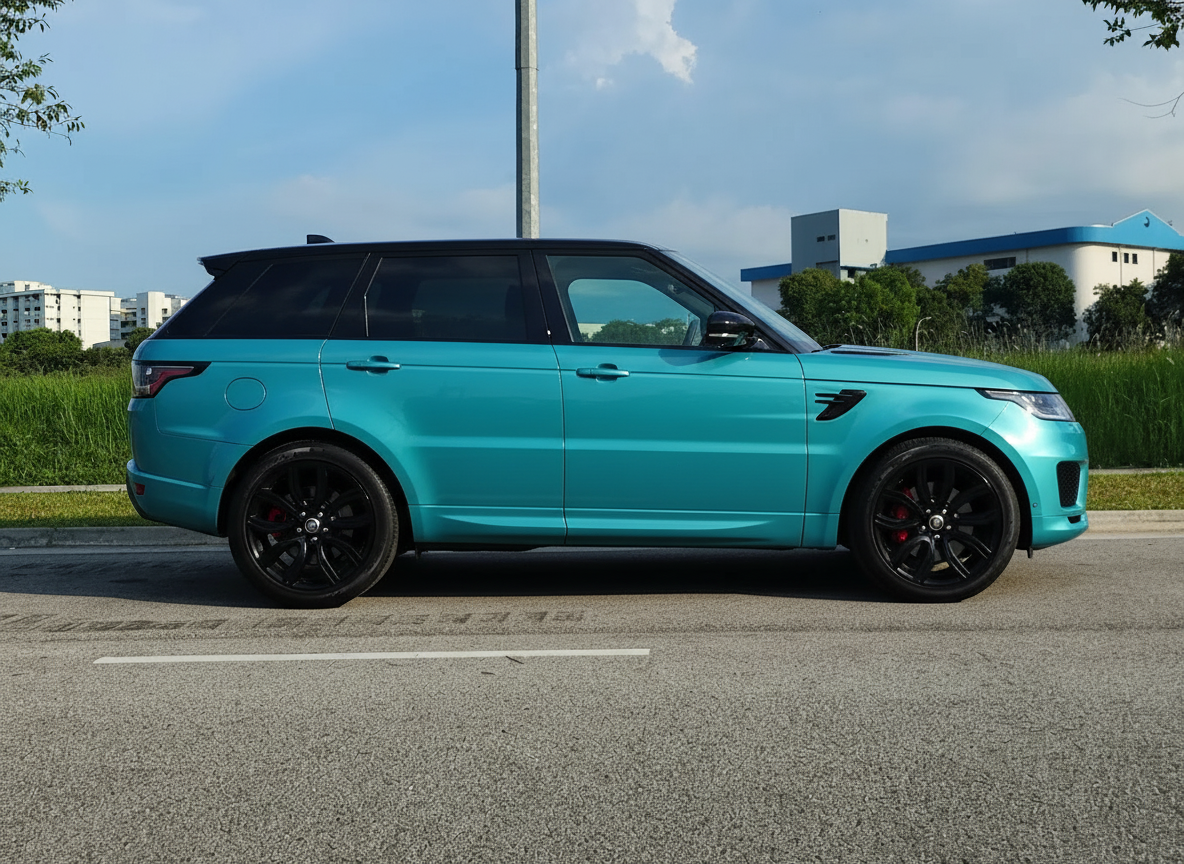
Then there is the finish. A matte finish is the classic choice for a chrome delete. It kills the reflection and gives a stealthy, almost military look. A gloss finish, on the other hand, still reflects light but in a deeper, more muted way than chrome. I have seen some stunning work where the owner chose a gloss black for the window trim and a matte black for the grille. The contrast works because the different finishes catch light differently. Some shops also offer textured wraps like brushed metal or carbon fibre for the delete areas. That can look incredible if done sparingly, but it can also clash with the rest of the car if you go overboard.
The Process: More Than Just Sticking Film
A proper chrome delete is not a five-minute job. It involves careful preparation and a steady hand. The parts are first thoroughly cleaned and often lightly degreased. Then the vinyl is laid on, and the installer uses a squeegee to push out every single air bubble. For curved parts, a heat gun is essential. The heat makes the vinyl pliable so it can stretch around corners without wrinkling. I have watched pros work on a rear emblem, and they use a combination of heat and a plastic tool called a twinwall to burnish the film into every crevice. It takes patience.
One mistake I see often is people trying to do this at home with a cheap vinyl and no experience. The result is always a mess. Bubbles, lifting edges, and a finish that looks nothing like the rest of the car. A professional shop will also use a clear coat on top of the vinyl for extra protection, especially on high-wear areas like door handles. That extra step can double the life of the wrap.
Considerations for Singapore's Climate
Singapore is brutal on car finishes. The constant sun, humidity, and occasional tropical rain mean that any wrap needs to be built for it. A cheap vinyl will start to peel within six months. A quality automotive vinyl from 3M or Oracal, applied correctly, can last two to three years before it needs replacement. That is the trade-off. You pay more upfront, but you get a product that actually lasts.
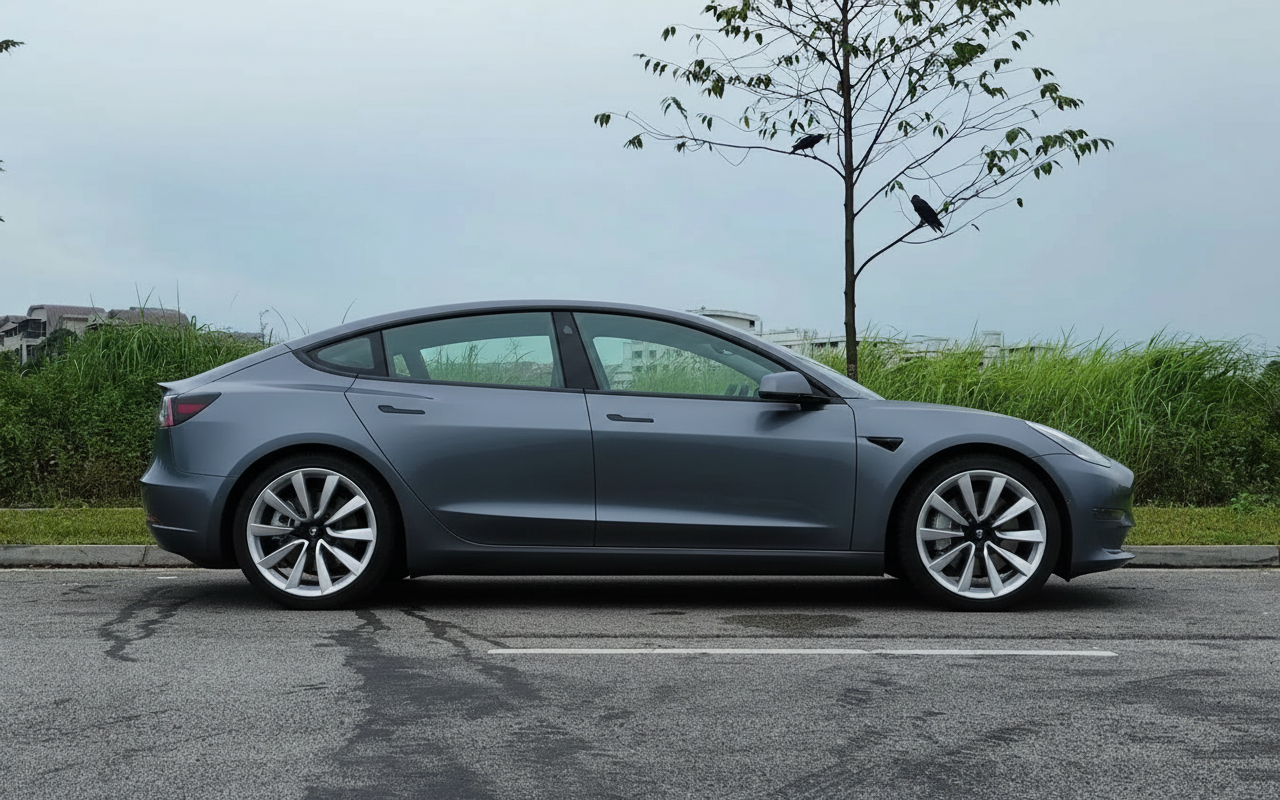
Another thing to watch is the heat. Dark vinyl absorbs a lot of heat, especially on areas like the roof or the rear window surround. If you park in the sun all day, that heat can accelerate the adhesive breakdown. A good installer will advise you on which finishes handle heat better. Generally, a matte finish reflects a bit more heat than a gloss finish, but the difference is small. What matters more is the quality of the vinyl and the skill of the applicator.
When to Do a Full Wrap vs. a Chrome Delete
A chrome delete wrap is a standalone service. It is not the same as a full car wrap, though many people combine them. If you are happy with your car paint and just want to tone down the shiny bits, a chrome delete is perfect. It is also a great way to test the waters before committing to a full colour change. I have had friends who started with just a chrome delete on their window trim and then came back six months later to do the whole car in a colour shift vinyl.
On the other hand, if your paint is faded or you want a completely new look, a full wrap is the way to go. But even then, a chrome delete is often part of the package. Many full wraps include wrapping the chrome parts as part of the job. The two services complement each other.
Removal and Maintenance
One of the best things about vinyl is that it is reversible. When you want to go back to stock, a professional wrap removal service can take it off without damaging the original chrome or paint. The process uses heat and a gentle adhesive remover. It is not something you should do yourself with a hairdryer and a scraper, because you can easily scratch the clear coat underneath. I have seen a few DIY removal attempts that ended up with swirl marks and micro-scratches that needed car detailing to fix.
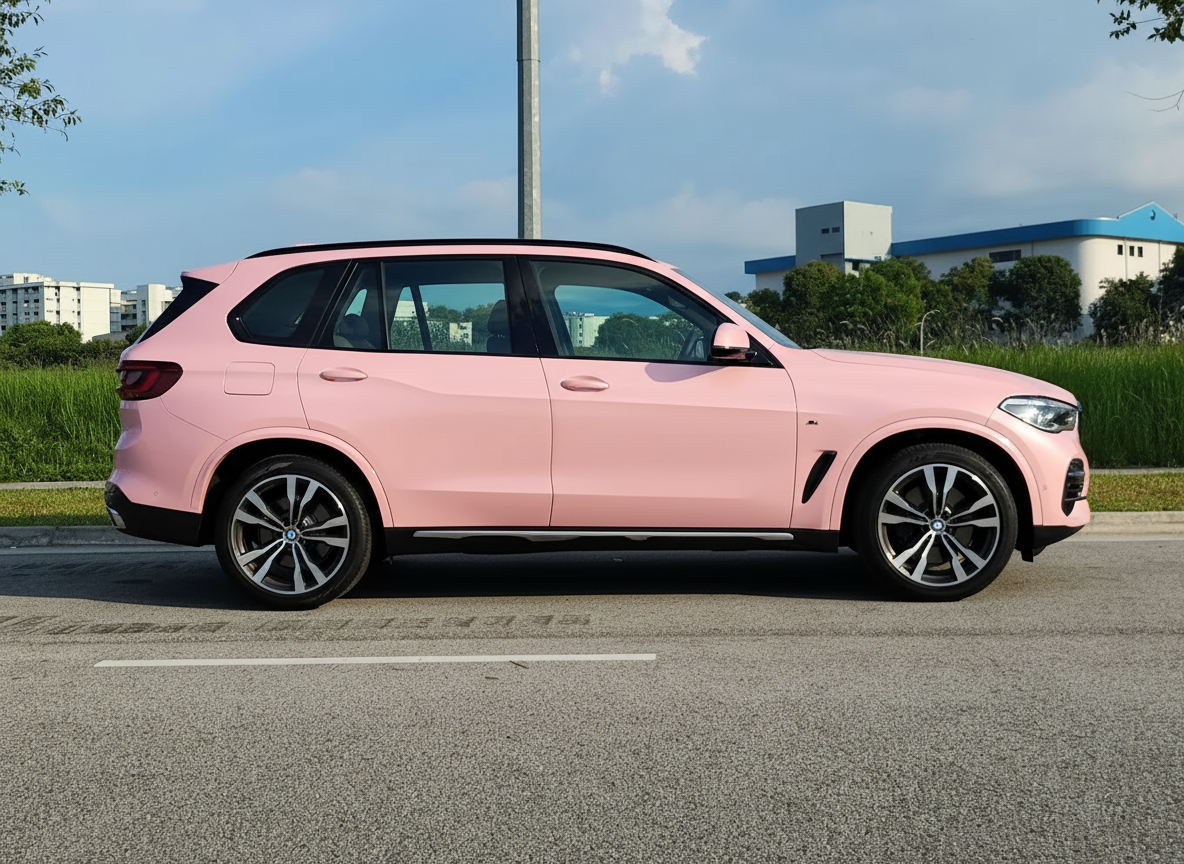
Maintenance is straightforward. You wash the wrapped areas the same way you wash the rest of the car. Avoid high-pressure water jets directly at the edges, and do not use abrasive cleaners. A simple soap and water wash with a soft sponge is all it needs. If you take care of it, a quality chrome delete wrap can last the life of the vinyl, which is usually two to three years.
Final Thoughts
A chrome delete wrap is one of the most satisfying modifications you can make to your car. It changes the character without changing the colour. It protects the original parts underneath. And when done right, it looks like a factory option. Whether you choose a matte finish for a stealth look or a gloss finish for a subtle sheen, the result is always cleaner than chrome. If you are in Singapore and thinking about it, find a shop that uses 3M or Oracal, watch them work, and trust the process. Your car will thank you.